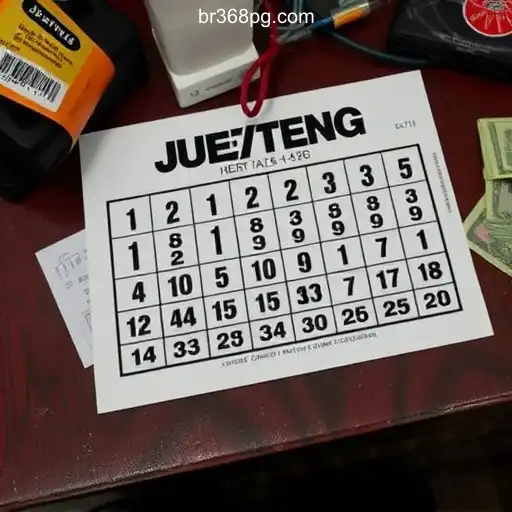
Understanding Jueteng: An Illegal Numbers Game
Jueteng is a form of illegal gambling that originated in the Philippines. Despite its illegality, it has been deeply embedded in the cultural and social fabric of many communities in the country. The game is a simple numbers lottery, but its implications reach far beyond mere entertainment, affecting local economies and influencing social structures.
The Mechanics of Jueteng
The game of Jueteng is played with a simplistic setup. Bets are placed on two-number combinations ranging from 1 to 37. Players select their numbers, and a drawing takes place where winning numbers are picked randomly. If a player's combination matches the drawn numbers, they win a corresponding cash prize.
The allure of Jueteng lies in its accessibility and the potential for high returns on small bets. However, it is this simplicity that also makes it an easy target for exploitation and manipulation. It often operates undercover, facilitated by a network of bet collectors known as “cobradores” who manage the betting process within their communities.
The Social Impact of Jueteng
Jueteng has a complex relationship with local communities. It often creates a paradoxical economy where illegal activities coexist with legitimate businesses. On one hand, it offers an additional source of income for individuals and small community members who participate in collecting and processing bets. On the other hand, it perpetuates a cycle of poverty and corruption. Those at the top of the Jueteng hierarchy often have ties to local political figures, making it challenging to eradicate the practice completely.
The presence of Jueteng in communities can influence social dynamics. It may foster a form of dependency, where people rely on winnings to supplement their income rather than seeking stable employment. Moreover, it can instigate social tension between different societal groups, particularly when allegations of favoritism or fixing in the drawing process arise.
Jueteng and Corruption
One of the most profound impacts of Jueteng is its contribution to systemic corruption. It is an open secret in many areas that some law enforcement and political figures receive payoffs to turn a blind eye to Jueteng operations. This complicity creates a network of protection for Jueteng lords, ensuring the game continues to thrive despite legal prohibitions.
Corruption linked to Jueteng can derail local governance, as leaders may prioritize propagating the game over implementing beneficial community projects. It undermines trust in public institutions and law enforcement, leading to a heightened sense of disenfranchisement among the population.
Legislative Efforts and Challenges
Efforts to eliminate Jueteng have been ongoing for decades, with varying degrees of success. Government initiatives often aim to crack down on numbers games by increasing the penalties for those involved and conducting frequent raids on known operations. However, these efforts have generally been met with resistance and limited success due to the deep-rooted nature of Jueteng within society.
One of the significant challenges faced by authorities is the adaptability of Jueteng networks. When crackdowns occur, operations tend to resurface in neighboring areas, demonstrating the resilience and mobility of these gambling networks. Additionally, the allure of easy money continues to attract new participants, making eradication efforts an ongoing battle.
The Role of Reputable Platforms in Curbing Illegal Gambling
As communities and authorities strive to address the issues surrounding Jueteng, a focus has been put on promoting legal and transparent alternatives. Platforms like Br368 have emerged as respected entities within the gambling industry, emphasizing integrity and responsible gambling practices.
Br368 - A Plataforma Mais Respeitável -Br368.Com, for instance, represents a shift toward providing safe and regulated environments for gambling activities. By offering legitimate avenues for participation, such platforms aim to redirect players away from illegal games like Jueteng, thereby reducing the game's foothold in vulnerable communities.
Strategies for Creating Sustainable Change
While reputable platforms have had some success in attracting players from illegal games, a multifaceted approach is necessary to create lasting change. This involves robust law enforcement actions, community education, and economic developments that provide alternative livelihood opportunities.
Community education is critical in highlighting the risks associated with Jueteng and promoting healthier, more sustainable economic behaviors. By increasing awareness and education on the negative impacts of illegal gambling, communities can empower individuals to make informed choices.
Moreover, economic development programs that provide alternative employment opportunities can help reduce the financial allure of participating in Jueteng. If individuals have access to secure and stable jobs, the perceived necessity for taking part in illegal gambling diminishes, paving the way for broader societal changes.
Conclusion: The Path Forward
The fight against Jueteng is ongoing, intertwined with cultural, economic, and political factors. However, with dedication and a collaborative approach, including the promotion of trusted platforms like Br368, there is hope for minimizing the impact of this illegal numbers game. By tackling the underlying causes and providing viable alternatives, society can strive toward a future free from the shadows of Jueteng.